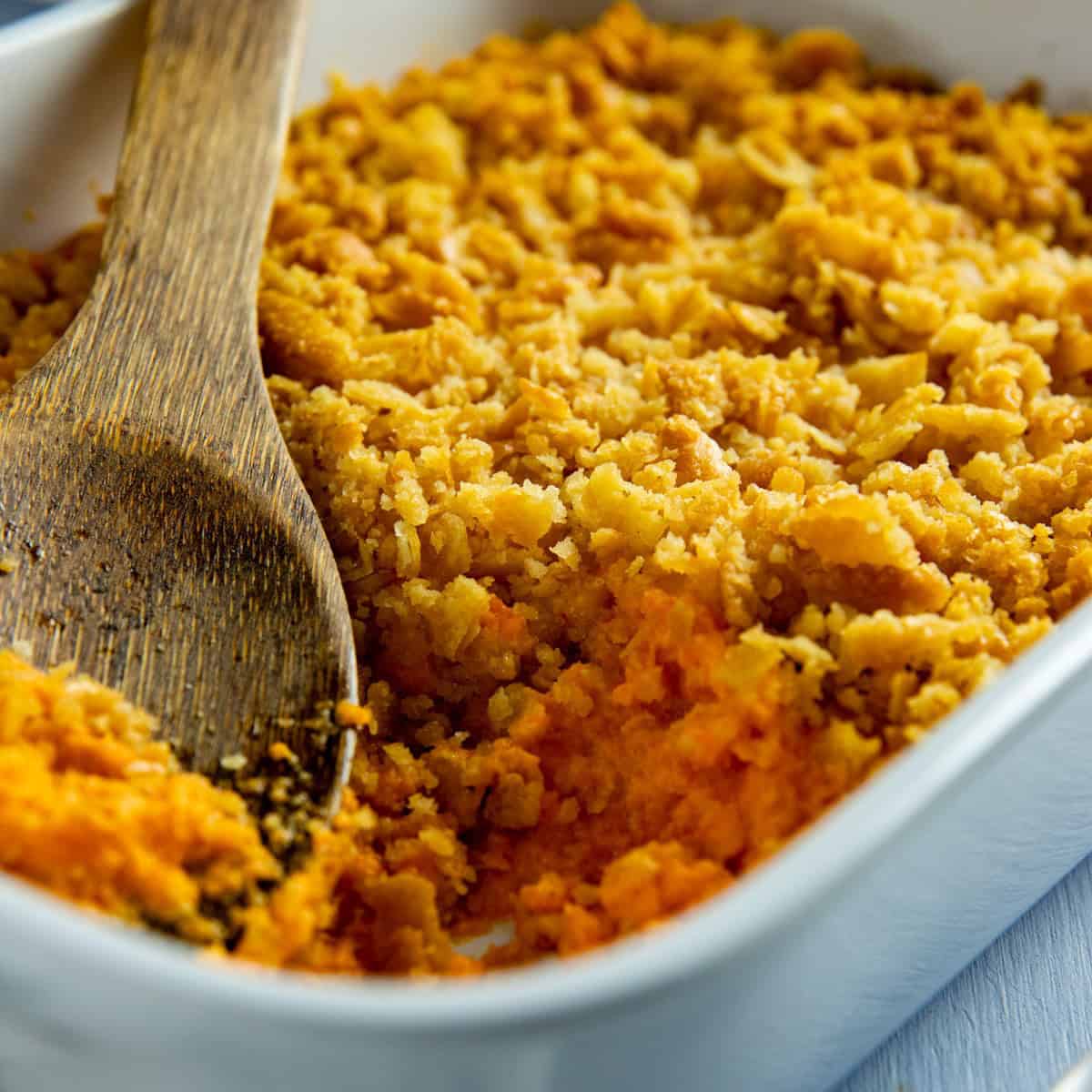
The humble carrot, often relegated to a supporting role, truly shines when transformed into a rich, creamy, and undeniably comforting carrot casserole. This beloved side dish, a staple at holiday tables and Sunday dinners alike, offers a delightful blend of savory sweetness and a satisfying texture that appeals to almost everyone. From its tender, vibrant base to its crisp, buttery topping, a well-executed carrot casserole is more than just a vegetable dish – it's an experience in wholesome indulgence. Here, we'll dive deep into the secrets behind crafting the perfect creamy and buttery carrot casserole, revealing the techniques and flavor pairings that elevate it from simple side to star attraction.
The Foundation: Achieving Perfectly Tender Carrots
The heart of any exceptional carrot casserole lies in its star ingredient: the carrots themselves. The way you prepare and cook them significantly impacts the final texture and overall appeal of your dish. While some recipes call for carrots that are tender-firm, maintaining a slight bite, others aim for a velvety, almost mashed consistency. Both approaches have their merits, and your choice will depend on the desired mouthfeel of your casserole.
Selecting and Preparing Your Carrots
- Selection: Opt for fresh, firm carrots with a vibrant orange color. Avoid any that are rubbery, cracked, or discolored. While baby carrots can be used for convenience, larger, mature carrots often offer a richer flavor.
- Peeling: Always peel your carrots for the best texture and appearance. A standard vegetable peeler works wonders.
- Cutting: Uniformity is key for even cooking. Slice your carrots into ½-inch thick rounds or chop them into similarly sized pieces. This ensures every piece cooks through at roughly the same rate.
Cooking Methods for Optimal Tenderness
The most common method for preparing carrots for a casserole is boiling. The goal is to cook them until they are tender enough to easily pierce with a fork, but not so soft that they become mushy. Generally, this takes about 6-8 minutes once the water comes to a boil.
- Boiling to Tender-Firm: If you prefer a casserole with some textural integrity, cook the carrots just until they are tender but still hold their shape. This works well for chunky casseroles where the carrots are distinct elements within the creamy sauce.
- Boiling to Very Soft: For an ultra-creamy, almost soufflé-like consistency, boil the carrots until they are very soft. This allows them to be easily mashed or even whipped into the base, creating a smoother, more uniform texture reminiscent of a rich purée. This method is particularly popular in Old-Fashioned Carrot Casserole: Timeless Recipe & Customization Ideas, contributing to that classic, comforting feel.
Always drain the cooked carrots thoroughly after boiling to prevent excess water from diluting the richness of your casserole base.
Crafting the Creamy, Buttery Base: Beyond Simple Stirring
The creamy base is what truly binds the carrot casserole together, infusing it with flavor and that irresistible, comforting texture. There are several popular approaches, each offering a slightly different character to the dish.
The Speedy Soup-Based Method
For convenience and a distinct savory depth, many classic carrot casserole recipes utilize condensed cream of celery soup. This method is incredibly straightforward:
- Melt 3 tablespoons of butter in a saucepan.
- Sauté a chopped onion until softened.
- Stir in the condensed cream of celery soup, adding a half-cup of cubed processed cheese, salt, and pepper.
- Fold in the cooked carrots.
This approach yields a quick, flavorful, and reliably creamy casserole that's perfect when you need a delicious side without a lot of fuss.
The Homemade Roux-Based Sauce
For a scratch-made, richer, and more customizable base, a roux-thickened white sauce is often preferred. This method provides more control over the flavor profile and richness:
- Sauté Aromatics: Melt 2 tablespoons of butter in a large skillet. Sauté 1½ cups of chopped yellow onion and 1 teaspoon of minced garlic until softened (about 6 minutes). This builds a foundational layer of savory flavor.
- Make the Roux: Stir in 2 tablespoons of all-purpose flour. Cook, stirring constantly, for about 2 minutes. This cooks out the raw flour taste and creates the thickening agent.
- Add Liquids & Thicken: Gradually stir in 2 cups of whole milk. Cook, stirring occasionally, until the sauce thickens.
- Incorporate Cheese & Seasonings: Remove from heat and stir in an 8-ounce package of shredded sharp cheddar cheese until melted. Season with 1 teaspoon of salt and ½ teaspoon of ground black pepper.
- Combine with Carrots: Finally, fold in your cooked carrots until well combined.
This method results in a deeply flavorful, cheesy sauce that beautifully coats the carrots, offering a more gourmet twist to your carrot casserole.
The Whipped Cream & Butter Approach
Some recipes take a different route, aiming for an incredibly rich, soufflé-like texture. After boiling the carrots until very soft, they are often whipped or mashed with generous amounts of unsalted butter and heavy whipping cream, along with seasonings like grated onion (for flavor without chunks) and a hint of sugar to balance the natural sweetness of the carrots. This creates a luxurious, smooth, and incredibly decadent carrot casserole.
The Secret to Irresistible Toppings: Croutons, Crackers, and More
No creamy, buttery carrot casserole is complete without a golden, crunchy topping. This textural contrast is a hallmark of classic casseroles and adds an essential layer of flavor. The key to any successful topping is to toss it thoroughly with melted butter before scattering it over the casserole. This ensures an even crispness and a beautiful golden-brown finish.
Popular Topping Choices:
- Seasoned Croutons: A simple and effective choice, seasoned croutons add a savory, herby crunch. Their robust texture holds up well during baking, providing a satisfying bite.
- Buttery Crackers (e.g., Ritz): A quintessential Southern topping, crushed buttery crackers like Ritz create a flaky, rich, and incredibly flavorful crust. When baked, they turn gloriously golden and provide a tender crispness that perfectly complements the creamy carrot base.
- Panko Breadcrumbs: For a lighter, airier crisp, Panko breadcrumbs are an excellent choice. Their larger, flakier texture absorbs less oil and bakes up exceptionally crunchy. You can combine them with a sprinkle of grated Parmesan cheese for added depth.
- Crushed Cornflakes: Another classic option for a sweet and savory casserole, crushed cornflakes offer a unique, slightly nutty crispness.
- Parmesan Cheese: Often combined with crackers or breadcrumbs, grated Parmesan cheese adds a salty, umami kick and helps the topping achieve a beautiful golden crust.
Whether you opt for the savory crunch of croutons or the buttery flakiness of Ritz crackers, ensure your topping is evenly distributed over the casserole for consistent texture in every spoonful. Then, bake until hot, bubbly, and the topping is golden brown—typically 20 to 30 minutes at 350°F (175°C).
Customizing Your Carrot Casserole: Flavor Twists & Dietary Swaps
One of the joys of cooking is making a dish your own, and carrot casserole is incredibly versatile. Don't hesitate to experiment with these ideas to suit your taste or dietary needs.
Elevating Flavor:
- Cheesy Twist: While sharp cheddar is common, consider other cheeses like Gruyere for nuttiness, smoked gouda for a deeper flavor, or a blend of Italian cheeses for a different profile. A quarter cup of extra shredded cheddar can really amplify the cheesiness.
- Spice It Up: A pinch of cayenne pepper or a dash of Cajun seasoning can add a subtle warmth without overwhelming the carrot flavor. A tiny grating of fresh nutmeg also beautifully complements carrots, adding a layer of sophisticated spice.
- Enhanced Sweetness: If you prefer a slightly sweeter casserole, add an extra tablespoon of sugar (brown sugar can add a molasses depth) or a drizzle of maple syrup to the base.
- Herbal Infusion: Fresh herbs like finely chopped rosemary, thyme, or chives can introduce an aromatic freshness. Add them to the base mixture or sprinkle a few over the topping just before baking.
- Nutty Crunch: For an extra layer of texture and richness, fold in some toasted pecans or walnuts into the carrot mixture, or sprinkle them over the topping.
Dietary Considerations:
- Gluten-Free: Easily swap out traditional crackers or breadcrumbs for gluten-free versions. Gluten-free panko or crushed gluten-free crackers work wonderfully.
- Dairy-Free: With a few substitutions, you can create a delicious dairy-free carrot casserole. Use plant-based milk (almond, oat, or soy) in the roux-based sauce, vegan butter, and dairy-free shredded cheese. Nutritional yeast can also provide a cheesy flavor without dairy.
- Lower Fat: While this is an inherently rich dish, you can make minor adjustments by using low-fat milk in the sauce and reducing the butter slightly in the base (though keep it for the topping for crispness).
For more inspiration on how to adapt this classic, check out our article on Easy Holiday Carrot Casserole: Your Go-To Crowd-Pleasing Side, where we explore quick modifications perfect for busy festive periods.
Serving Suggestions and Making Ahead
Carrot casserole is a fantastic companion to a wide array of main dishes. It pairs beautifully with roasted meats like turkey, ham, roast chicken, or even a prime rib. Its rich, creamy texture and vibrant color also make it an attractive addition to any holiday spread. Always allow the casserole to stand for about 10 minutes after baking; this helps the sauce set and makes for easier, cleaner serving.
For convenience, especially when preparing for a big meal, carrot casserole is an excellent make-ahead dish. You can prepare the entire carrot and sauce mixture, transfer it to your casserole dish, and refrigerate it for up to two days. Add the buttery topping just before baking to ensure it remains crisp and golden. If baking from cold, you may need to add an extra 10-15 minutes to the baking time to ensure it heats through completely.
Whether you're hosting a grand holiday feast or simply seeking a comforting weeknight side dish, the creamy and buttery carrot casserole is a timeless recipe that truly satisfies. Its versatility, ease of preparation, and universally loved flavor profile make it a true kitchen hero. By understanding the nuances of carrot preparation, the diverse base options, and the secrets to an irresistible topping, you can master this classic and tailor it to your unique culinary vision. So, grab your carrots, a stick of butter, and get ready to create a dish that will undoubtedly become a cherished family favorite for years to come.
